
Tree removal that actually shows up.
Licensed and insured tree removal, trimming, and storm cleanup for Belding, Rockford, Greenville, Grand Rapids, and surrounding West Michigan. Industry-leading response times and a spotless cleanup, every time. Get a free quote within 24 hours.
- Licensed & Insured
- Fully covered, every job
- Industry-Leading Response
- Free quote within 24 hours
- 5-Star Rated Locally
- Real reviews from real neighbors
- Spotless Cleanup
- We leave it cleaner than we found it
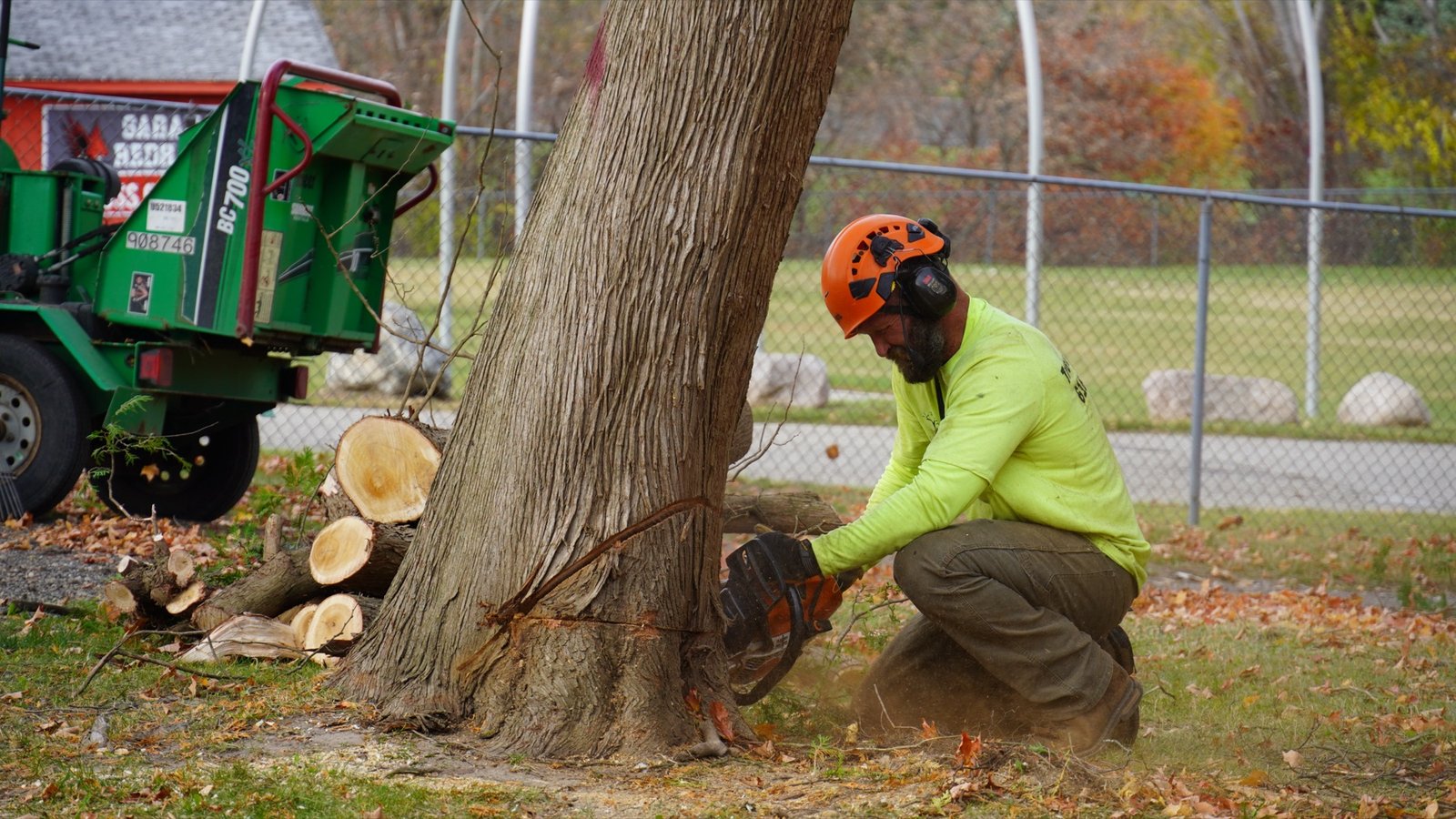
We answer every call.
Ready to help with your tree work
Finding a tree company that actually shows up shouldn't be this hard.
You've got a tree that needs to come down, and you just want someone dependable to answer the phone, give you a straight price, and get it done. Instead you get voicemail, no callbacks, and quotes that make no sense. Sound familiar?
A dead or leaning tree over the house.
That tree is too close to the roof, the garage, or the car, and every storm makes it worse.
Too big for a regular crew.
It's huge, near power lines, or jammed into a tight spot, and the last company took one look and said no.
Nobody calls you back.
You left messages with five companies. Crickets. The ones who did call gave a number with no explanation.
No idea who to trust.
Will they wreck the lawn? Overcharge you? Leave a mess and disappear? You shouldn't have to gamble on your own property.
You shouldn't have to wonder whether the tree in your yard is protecting your home or threatening it.
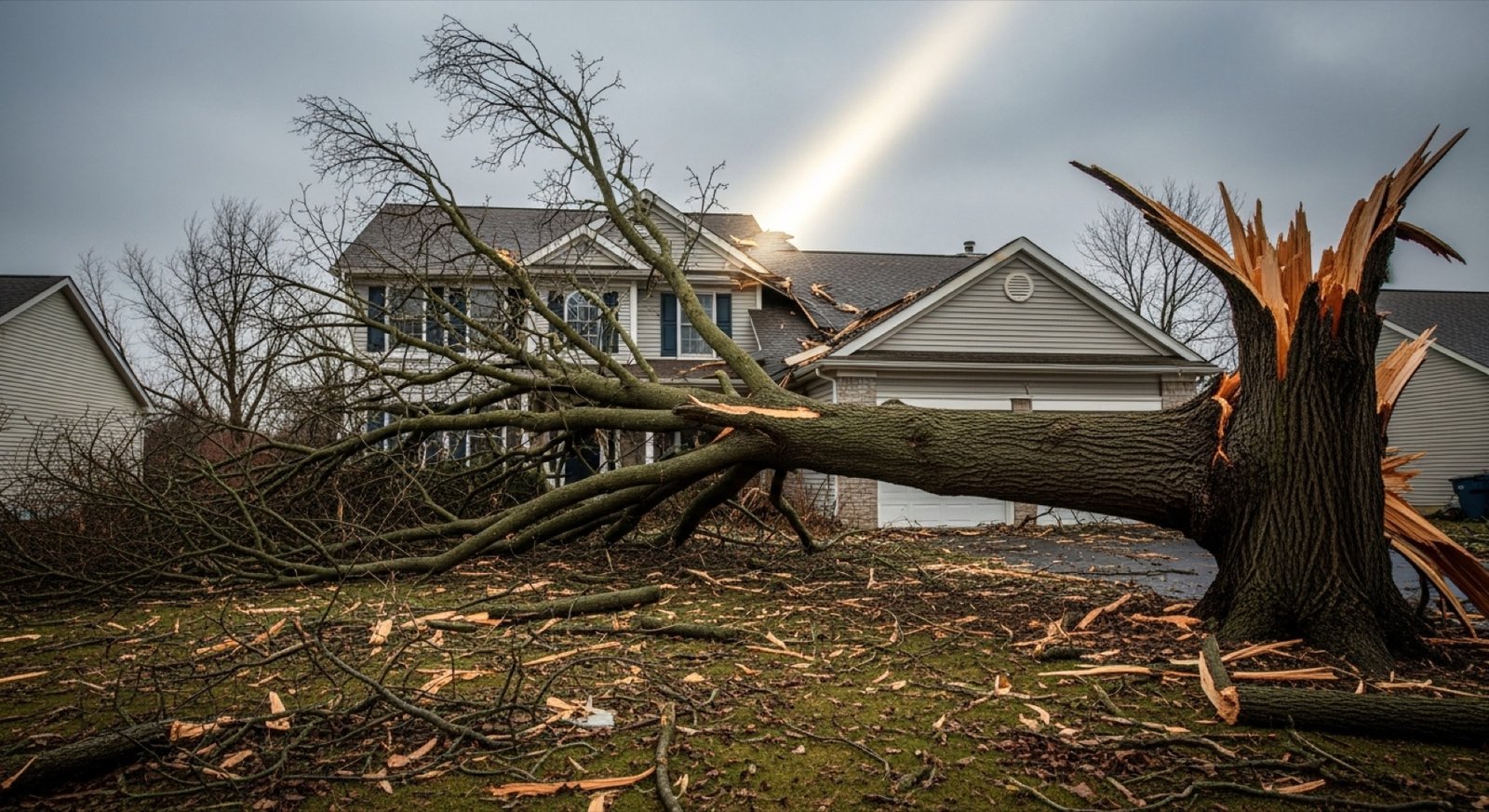
Storm took it down?We'll take it from here.
A bad tree doesn't get better. It gets more expensive.
Every season you put it off, the risk grows and so does the bill.
It doesn't have to go that way. Get it handled now, on your schedule, by a crew that does this for a living.
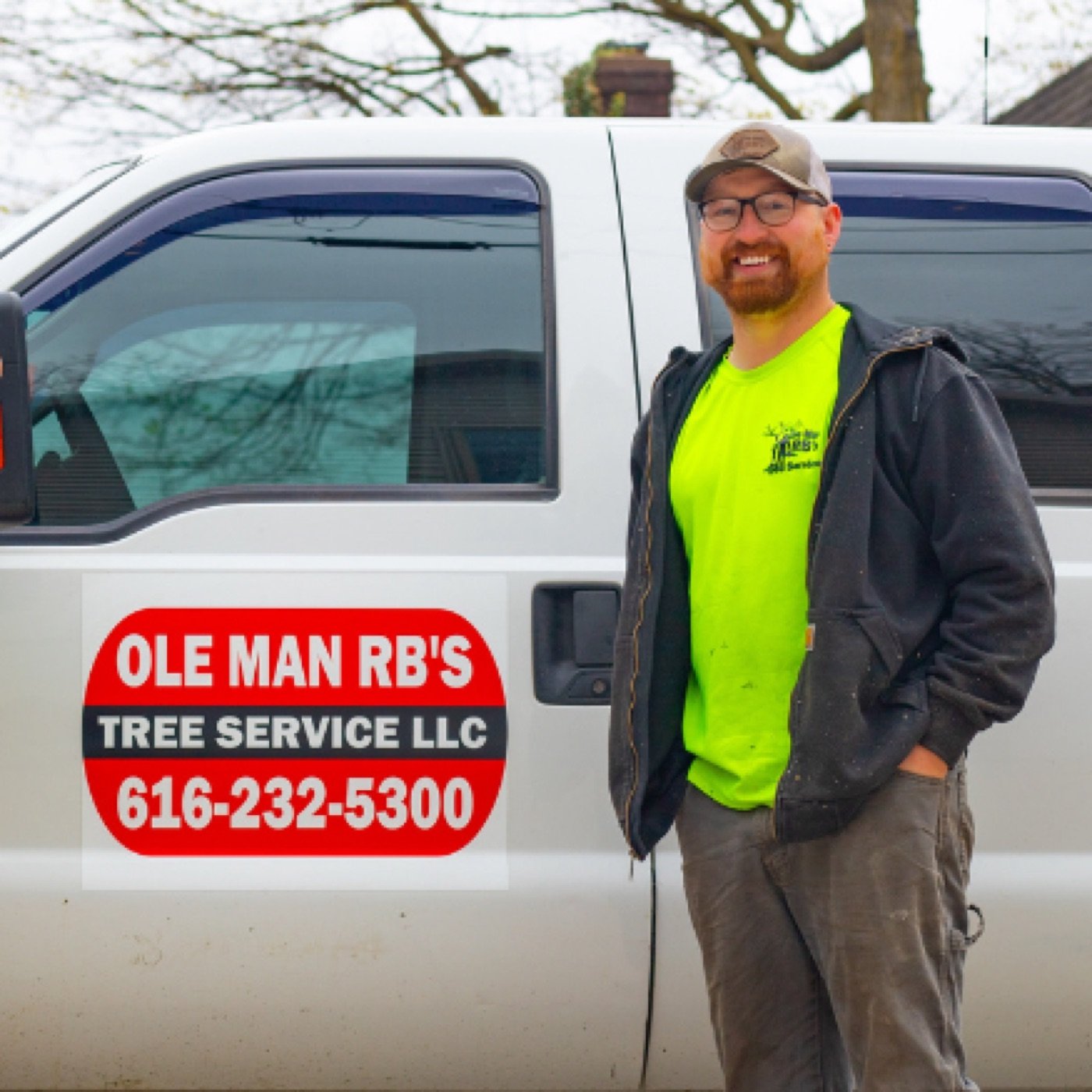
Chris Holmes
Owner and Operator
Licensed & Insured
Fully covered, every job
We're the crew West Michigan calls when the tree has to go.
Ole Man RB's Tree Service is owner-operated right here in Belding by Chris Holmes. We built this company on one simple idea: answer the phone, show up when we say we will, and leave the yard cleaner than we found it. That's it. No runaround, no disappearing acts, no torn-up lawns.
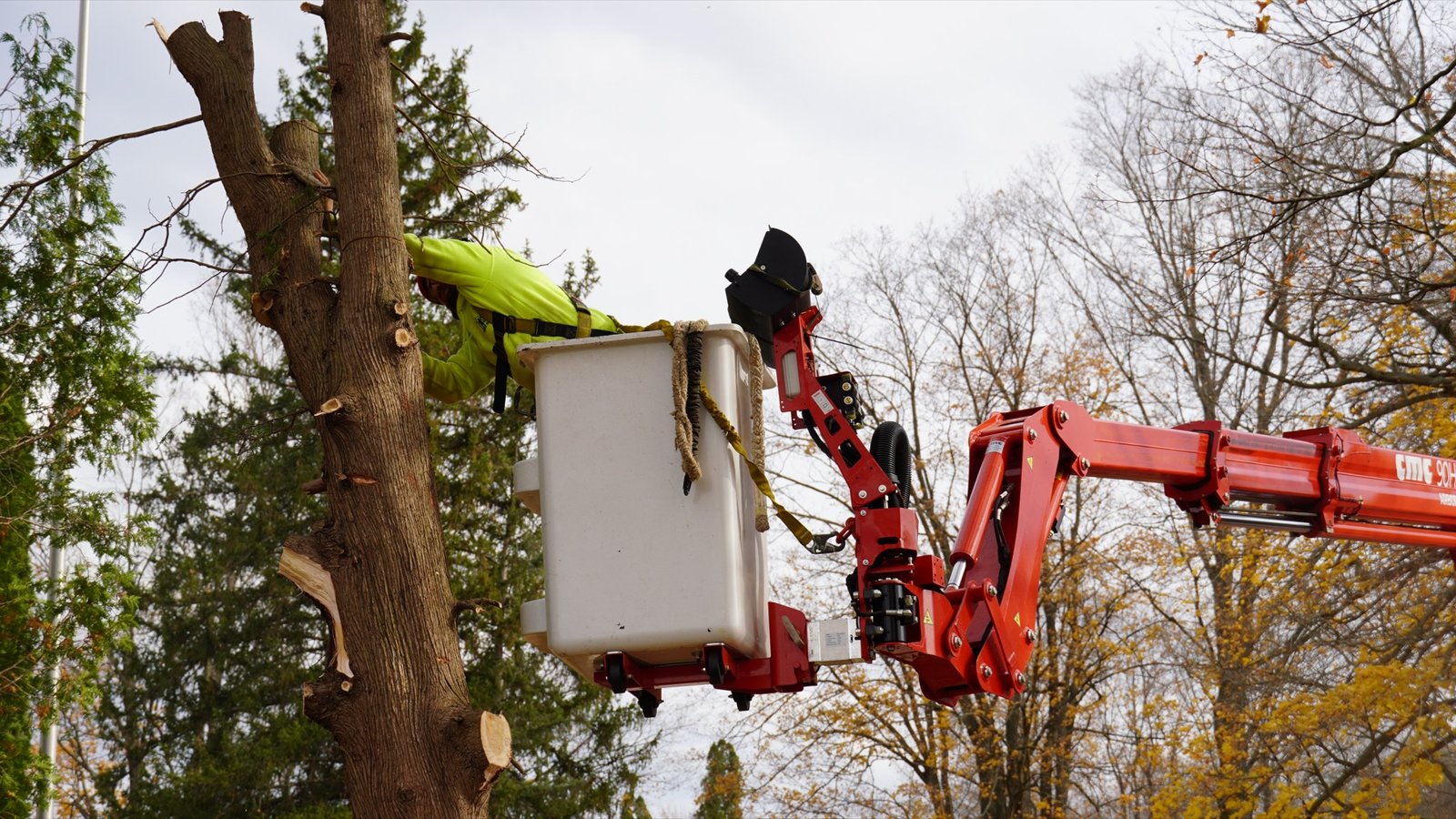
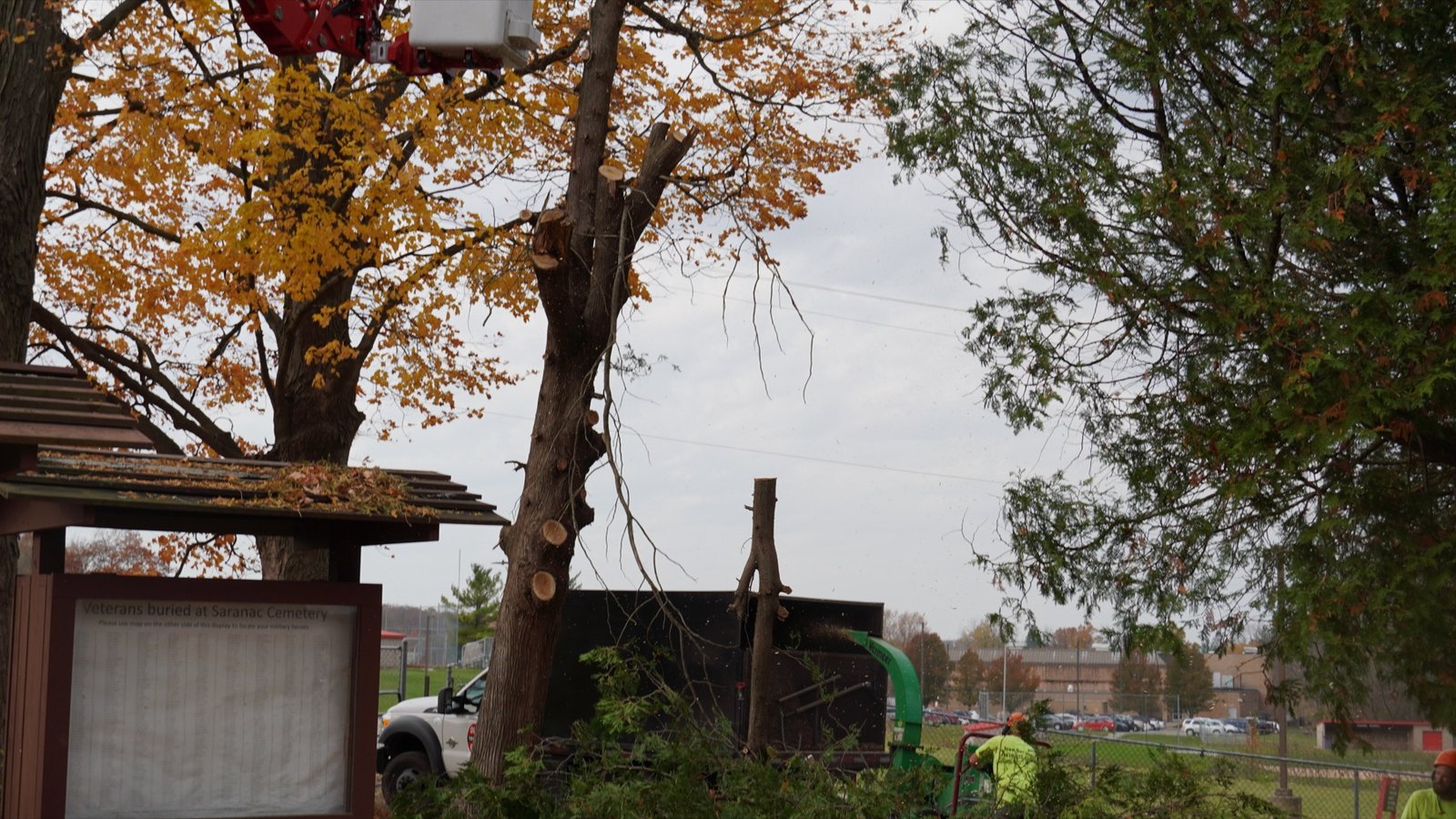
We're fully licensed and insured, so you're covered before anyone ever climbs a tree. We've got the equipment to handle the big, scary, near-the-house jobs other crews pass on, including crane-assisted removals. And we treat your property like it's our own, because around here, you might be a neighbor.
We know letting a stranger take a chainsaw to your property is a leap of faith. We earn it the boring way: by showing up and doing it right.
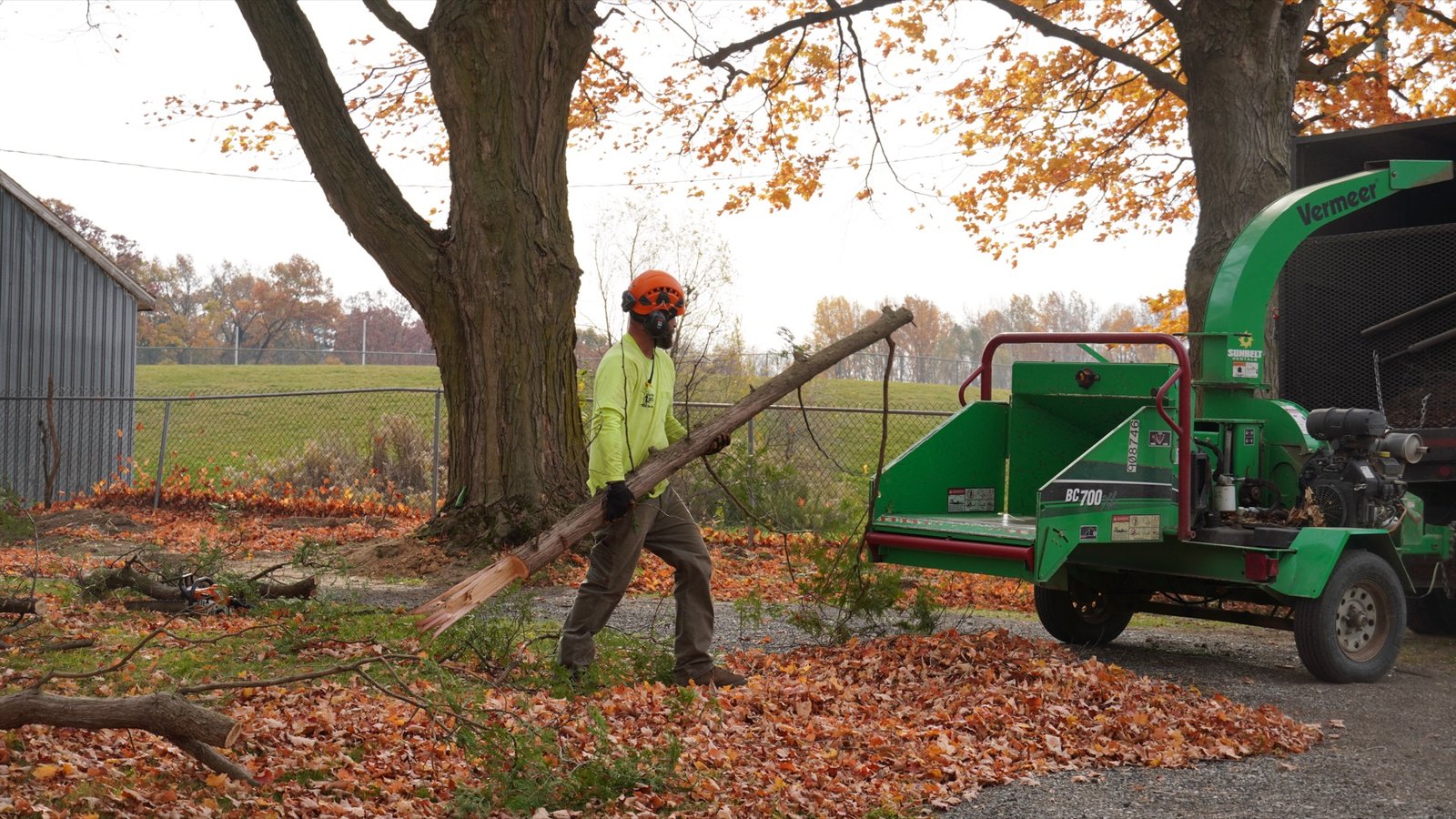
Tree work, handled start to spotless finish.
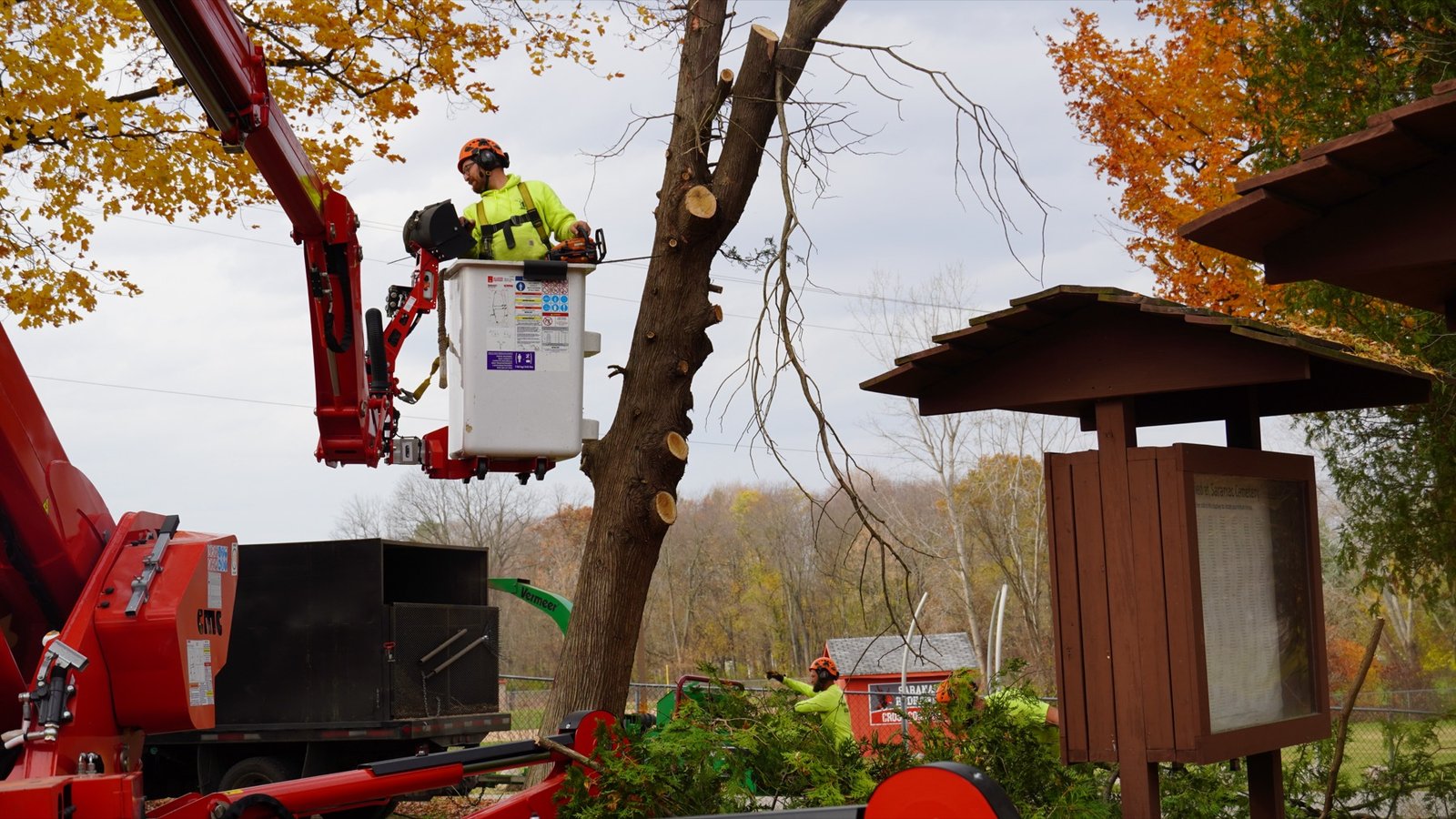
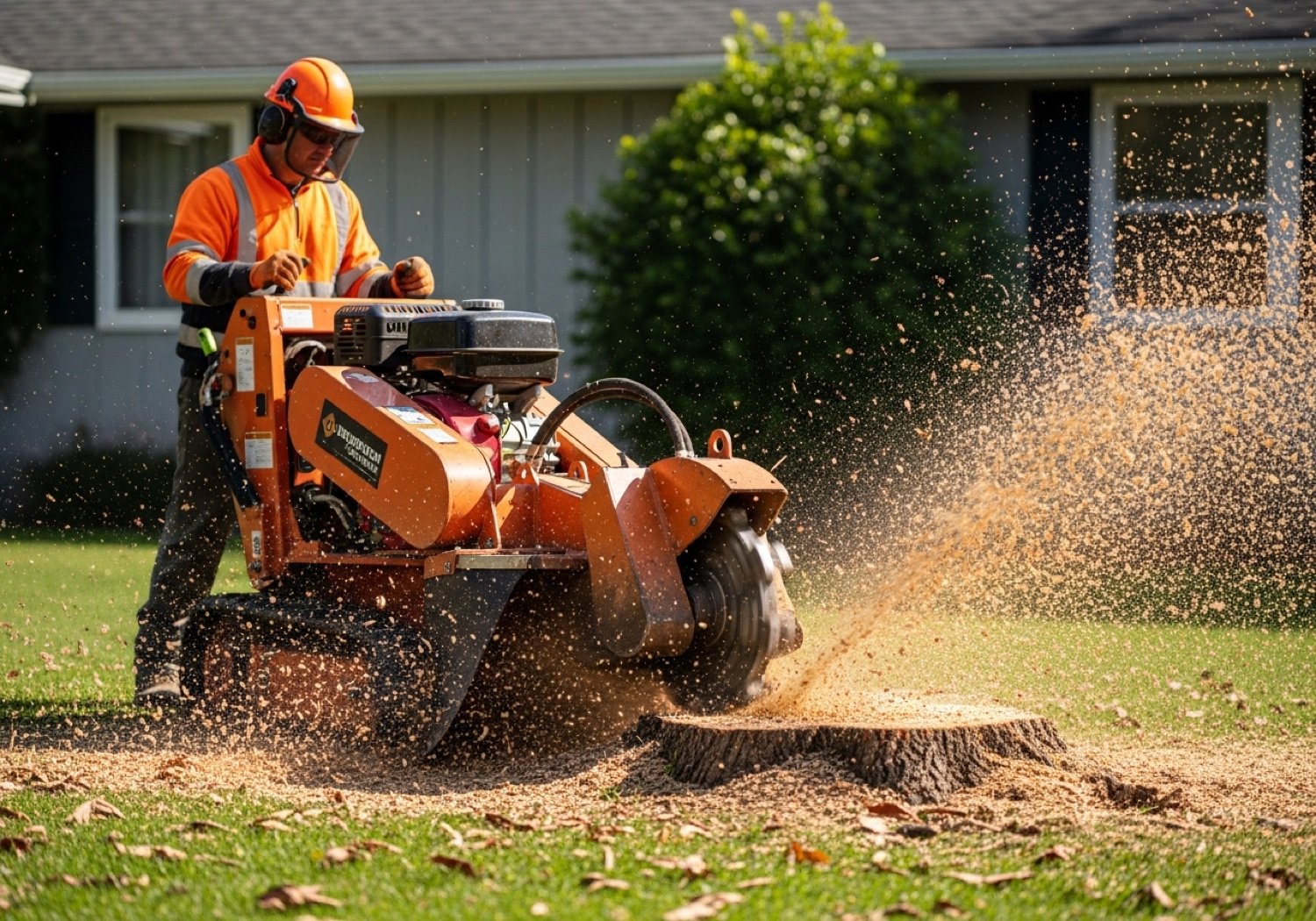
From a single hazard tree to a full lot clearing, one dependable West Michigan crew that answers the phone, shows up on time, and leaves your yard cleaner than we found it.
Three steps to a tree handled.
No drawn-out process, no hard sell. Just a clear path from "I've got a tree that needs to go" to "it's handled."
Schedule a Quote
Request a free quote. Tell us about the tree and your property, and our team contacts you within 24 hours. No pressure, no obligation.
Make a Hiring Decision
You get a detailed quote by email with the full job description and clear pricing. No vague estimates, no surprises, just a straight answer you can decide on.
Book Your Service
Pick a time that works for you and we schedule the appointment. We handle everything, start to spotless finish, and treat your yard like our own.
Tree on your house? We respond fast.
Tree on your house? We move fast.
When a storm drops a tree on your roof, your car, or across your driveway, you need a crew that moves now and knows what it's doing. We make the scene safe, clear the damage, and document everything with photos to help your insurance claim. Don't wait, and don't let an uninsured storm-chaser onto your property.
Licensed, insured, and ready when West Michigan weather turns.
See the work.
Real Ole Man RB's jobs across West Michigan. Big removals, tight takedowns, crane work, and the cleanups that prove the job is not done until the yard is.
West Michigan homeowners don't mince words.
Real reviews from real customers. Notice a theme: we call back, we're fair, and we clean up like we were never there.
I can't say enough wonderful things about this company! After calling 10 different tree removal/trimming companies, only 5 got back to me, and RB's was the only one to give both a quote and timeline.
Alison Passino
Google review
These guys are awesome! Very professional, fair prices and make sure everything is clean before they go.
Pamela Bunton
Google review
We were delighted with the professional and skilled workmanship on the removal of our tree. The respect these guys showed our property landscaping was amazing!
Sheri Weeks
Google review
Absolutely recommend the guys from Ole Man RB's Tree Service! We had a massive cherrywood fall onto our shed during a storm.
Jason DesJarden
Google review
OLE MAN RB's Tree service was amazing! They removed a dying Blue Spruce from my yard and two hours later it looked like nothing had happened.
Patty Donovan
Google review
These guys are top notch! They have done 8 big trees for us. Very professional. Clean up awesome, could barely tell they were here.
Craig Sholty
Google review
The stuff homeowners actually ask.
A few things West Michigan homeowners want to know before they call. If yours isn't here, just reach out, we like questions.
Tell us about your tree. We'll handle the rest.
Fill out the form or give us a call. We'll get back to you within 24 hours with a free, detailed quote, no cost and no obligation. Got a storm or hazard emergency, like a tree on your house or blocking access? Call us right now at (616) 232-5300.
- Call or text
- (616) 232-5300
- chris@olemanrb.com
- Based in
- 1002 N Bridge St, Belding, MI 48807
- Response
- Free quote within 24 hours. Emergencies, call now.
Got a tree that needs to go? Let's get it handled.
Get a free, detailed quote within 24 hours from the crew West Michigan trusts to show up, do it right, and clean up after. Storm damage or a hazard tree? Call now.