
Tree removal is one of the most common property maintenance decisions homeowners face in Michigan. Between unpredictable weather, aging trees, soil conditions, and safety concerns, many trees eventually become more of a liability than an asset. While trees add beauty and value, there are clear situations where professional tree removal is the smartest and safest choice.
Below are the top reasons homeowners in Michigan choose tree removal, and why delaying the decision can cost more in the long run.
1. Storm Damage and Severe Weather
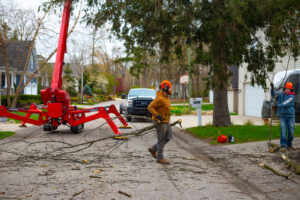
Michigan experiences heavy snow, ice storms, high winds, and thunderstorms every year. These conditions put enormous stress on trees, especially older or already weakened ones. Cracked trunks, hanging limbs, and uprooted trees are common after storms.
Storm-damaged trees are unpredictable. Even if a tree doesn’t fall immediately, structural damage can make it unstable and dangerous. Many homeowners call for tree removal after storms to prevent trees from falling on homes, vehicles, fences, or power lines.
In emergencies, fast tree removal can prevent thousands of dollars in property damage and reduce safety risks.
2. Dead or Dying Trees
Dead trees are one of the biggest reasons for tree removal in Michigan. Once a tree dies, it begins to decay from the inside out. The wood weakens, roots deteriorate, and the tree becomes highly unstable.
Common signs a tree may be dead or dying include:
- Large sections with no leaves
- Brittle or falling branches
- Fungus growth near the base
- Hollow or cracked trunks
- Bark peeling away
Dead trees are extremely dangerous, especially during Michigan’s winter storms and high winds. Tree removal eliminates the risk before the tree fails unexpectedly.
3. Safety and Liability Concerns
A dangerous tree isn’t just a risk; it’s a liability. If a tree on your property falls and damages a neighbor’s home, vehicle, or injures someone, you could be held responsible.
Michigan homeowners often remove trees that:
- Lean toward homes or garages
- Hang over driveways or sidewalks
- Are close to power lines
- Show visible root or trunk damage
Proactive tree removal is often far cheaper than dealing with insurance claims, lawsuits, or emergency repairs after a failure.
4. Root Damage to Foundations, Driveways, and Sewer Lines
Tree roots can cause serious damage to structures over time. In Michigan, freeze-thaw cycles make this problem worse, as roots expand and shift the soil.
Homeowners frequently choose tree removal when roots:
- Crack foundations or basement walls
- Lift sidewalks and driveways
- Damage to underground sewer or water lines
- Interfere with drainage systems
Removing the tree prevents further damage and protects long-term property value.
5. Tree Diseases Common in Michigan
Michigan is home to several aggressive tree diseases that often make tree removal necessary. These include:
- Emerald Ash Borer (EAB)
- Oak Wilt
- Dutch Elm Disease
- Apple scab and fungal infections
Diseased trees can decline rapidly and spread infections to nearby healthy trees. In many cases, tree removal is the only effective way to stop the spread and protect the rest of the landscape.
6. Overgrown or Poorly Placed Trees
Not all tree removal is due to damage or disease. Some trees simply outgrow their space or were planted too close to structures.
Homeowners remove trees that:
- Block sunlight from homes or gardens
- Interfere with rooflines or gutters
- Damage siding or shingles
- Overcrowd other healthy trees
Strategic tree removal can improve curb appeal, reduce maintenance costs, and allow remaining trees to thrive.
7. Construction, Renovation, or Property Improvements
Tree removal is often necessary during home renovations, additions, or landscaping projects. Trees may be removed to:
- Make room for additions or garages
- Install new driveways or patios
- Improve yard usability
- Increase resale value
Professional tree removal ensures the work is done safely without damaging surrounding property or utilities.
8. Preventive Tree Removal
Many Michigan homeowners choose tree removal before a problem occurs. Older trees, especially those with structural weaknesses, can become high-risk over time.
Preventative tree removal is common for:
- Large trees nearing the end of their lifespan
- Trees with repeated limb failures
- Trees weakened by past storms
- Trees growing too close to structures
Removing a risky tree early is often cheaper and far less stressful than dealing with an emergency.
Why Professional Tree Removal Matters
Tree removal is dangerous work that requires proper equipment, training, and experience. DIY tree removal often leads to injuries, property damage, and higher costs.
A professional tree removal service in Michigan will:
- Assess tree health and risk
- Use proper safety procedures
- Protect nearby structures
- Handle cleanup and debris removal
Final Thoughts
Tree removal is sometimes unavoidable and in many cases, necessary. From storm damage and disease to safety and property protection, Michigan homeowners remove trees to protect their homes, families, and investments.
If you suspect a tree on your property may be dangerous, dead, or causing damage, addressing it early can save time, money, and stress. Professional tree removal ensures the job is done safely, efficiently, and correctly.