
Building a new home or adding a structure to your property is exciting, but before the foundation goes in, the land has to be ready. For many homeowners in Michigan, that means clearing trees, brush, and stumps from the building site. Lot clearing is one of the most important first steps in any construction project, and understanding what’s involved can help you avoid delays, unexpected costs, and headaches down the road.
Here’s what you should know before starting a lot clearing project.
What Does Lot Clearing Actually Involve?
Lot clearing goes well beyond just cutting down a few trees. Depending on the condition of your property, the process may include:
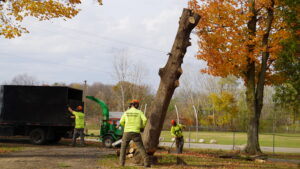
– Removing trees of all sizes, including large hardwoods
– Grinding stumps down below grade
– Clearing brush, undergrowth, and dead vegetation
– Removing debris and hauling it off-site
– Grading and leveling the area for construction prep
Every lot is different. A wooded half-acre in Greenville will require a much different approach than a lightly treed suburban parcel near Grand Rapids. A professional tree service will assess the property and develop a plan based on the terrain, tree density, and your construction timeline.
Do You Need Permits?
In many Michigan municipalities, you’ll need permits before removing trees or clearing land, especially in residential areas. Permit requirements vary by township and county, but common regulations include:
– Tree removal permits for certain species or sizes
– Erosion and sediment control plans
– Wetland setback requirements
– Stormwater management considerations
Skipping the permit process can lead to fines and project delays. Your builder or contractor should be able to guide you, and a reputable tree service will be familiar with local requirements in the Greenville and West Michigan area.
When Is the Best Time to Clear a Lot?
Timing matters more than most homeowners realize. The ideal window for lot clearing in Michigan depends on a few factors:
– Late fall and winter are often preferred because the frozen ground supports heavy equipment better and causes less damage to the surrounding landscape
– Spring and summer work well for smaller projects, but wet ground can complicate access
– If construction is planned for spring, clearing in the previous fall gives the site time to settle
Planning your clearing well ahead of your build date helps keep the entire project on schedule. Rushing this step often leads to complications during the construction phase.
How Long Does Lot Clearing Take?
The timeline depends on the size of the lot and the density of vegetation. As a general guide:
– A quarter-acre residential lot with moderate tree coverage typically takes one to two days
– A half-acre or larger wooded lot may require three to five days
– Properties with difficult access, steep grades, or very large trees may take longer
Stump grinding adds time but is essential if you want a clean, level surface for building. Leaving stumps behind can interfere with grading, foundations, and underground utilities.
What About the Wood and Debris?
One of the most common questions homeowners ask is what happens to everything that comes off the lot. Options typically include:
– Hauling all debris off-site for disposal
– Chipping brush and smaller material on-site for mulch
– Cutting usable timber into firewood for the homeowner
– Leaving logs for milling if there are valuable hardwoods
Discuss your preferences with your tree service ahead of time. Some homeowners want a completely clean lot, while others see value in keeping quality wood.
How to Prep Your Property Before Clearing Begins
A little preparation on your end can make the process smoother and more efficient:
– Walk the property with your tree service to mark boundaries and identify trees you want to keep
– Flag any underground utilities, wells, or septic systems
– Share your site plan or construction drawings so the crew knows exactly what areas need to be cleared
– Confirm access points for trucks and heavy equipment
Clear communication upfront prevents misunderstandings and protects the parts of your property you want to preserve.
Choosing the Right Company for the Job
Not every tree service handles lot clearing. It requires specialized equipment, experience with large-scale removal, and the ability to work efficiently on a timeline that aligns with your construction schedule.
When evaluating companies, look for:
– Proper licensing and insurance
– Experience with residential and commercial lot clearing
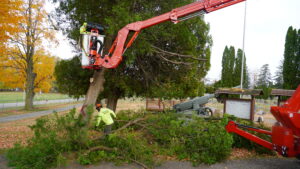
– Crane-assisted removal capability for large or difficult trees
– References from past clearing projects
– A clear estimate that covers removal, stump grinding, and debris hauling
Working with a local team that knows the soil, terrain, and regulations in your area makes a real difference in how smoothly the project goes.
Final Thoughts
Lot clearing sets the stage for everything that comes after it. Taking the time to plan properly, understand the permit requirements, and hire the right team ensures your construction project starts on solid ground. Whether you’re building your dream home or adding a shop or garage to your property, getting the lot cleared the right way is worth the investment.