
A leaning tree can be alarming for any homeowner. While some trees naturally grow at an angle, others may begin leaning due to structural problems that could make them dangerous. If you notice a tree on your property starting to tilt, it’s important to determine whether it’s harmless or a sign that you may need professional tree removal.
In this guide, we’ll explain why trees lean, how to identify when a leaning tree is dangerous, and when it’s time to call a professional tree removal service.
Common Reasons Trees Start Leaning
Trees can lean for several different reasons. Some are harmless, while others indicate a serious structural issue.
1. Storm Damage
Strong winds, heavy rain, and storms are some of the most common reasons trees suddenly begin leaning. Wind can weaken the root system or shift the soil around the tree, causing it to tilt.
In Michigan and other storm-prone areas, trees that lean after a storm may need immediate inspection. If the roots have lifted or the soil around the base has cracked, you may need emergency tree removal to prevent the tree from falling.
2. Root Damage
A healthy tree relies on strong roots for stability. If the root system becomes damaged, the tree may start leaning.
Root damage can happen from:
- Construction near the tree
- Soil erosion
- Disease or decay
- Poor drainage
- Underground utility work
When the roots can no longer support the weight of the tree, the structure becomes unstable. In many cases, the safest solution is professional tree removal before the tree collapses.
3. Soil Problems
Soft or saturated soil can cause trees to shift. After heavy rainfall, the ground may become loose, making it easier for trees to lean.
This is especially common in areas with clay or poorly draining soil. If the soil around the tree feels loose or you see exposed roots, the tree may be at risk of falling.
A tree removal expert can inspect the tree’s stability and determine whether it can be saved or should be removed.
4. Tree Growth Patterns
Not all leaning trees are dangerous. Some trees naturally grow toward sunlight, especially if nearby structures or other trees block light.
A tree that has grown at an angle for many years without changes may not be a concern. However, if the lean suddenly appears or worsens, it could indicate a serious issue.
Warning Signs a Leaning Tree Is Dangerous
Not every leaning tree requires immediate removal, but certain warning signs suggest the tree could fall.
Watch for these signs:
- Sudden leaning that wasn’t there before
- Cracks in the soil around the base of the tree
- Exposed or lifted roots
- Dead branches or a dying canopy
- Cracks in the trunk
- The tree leaning toward your home, driveway, or power lines
If you notice any of these issues, it’s best to contact a professional tree removal service for an inspection.
Ignoring a dangerous tree can lead to serious property damage or even personal injury.
Can a Leaning Tree Be Saved?
In some cases, a leaning tree can be stabilized rather than removed.
Solutions may include:
- Tree staking
- Soil reinforcement
- Pruning to reduce weight
- Cabling or bracing
However, these solutions only work if the tree is healthy and the root system is still intact.
If the roots are severely damaged or the tree poses a safety hazard, tree removal is often the safest option.
When Tree Removal Is the Best Option
There are times when removing the tree is the only safe solution.
You should consider tree removal if:
- The tree is leaning more than 15 degrees
- The roots are uprooting from the ground
- The tree is dead or severely diseased
- The trunk is cracked or split
- The tree is threatening nearby structures
Large trees can cause major damage if they fall. Hiring professionals for tree removal ensures the job is done safely and prevents costly accidents.
Why Professional Tree Removal Is Important
Removing a leaning tree is not a DIY job. Trees can weigh thousands of pounds, and improper removal can lead to property damage or serious injury.
Professional tree removal services have the training, equipment, and experience to safely remove hazardous trees.
A professional team can:
- Assess the stability of the tree
- Determine if removal is necessary
- Safely cut and remove the tree
- Prevent damage to nearby property
- Clean up debris after removal
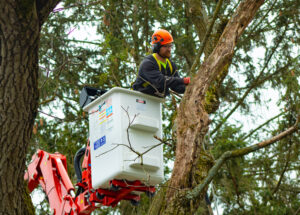
Professional equipment, such as cranes, rigging systems, and specialized saws, enables experts to safely remove even large trees.
Schedule a Professional Tree Inspection
If you notice a tree leaning on your property, it’s important to act quickly. What starts as a small tilt can quickly become a serious safety hazard, especially after storms or heavy winds.
A professional inspection can determine whether the tree can be saved or if tree removal is the safest solution.
At Ole Man RB’s Tree Service, we specialize in safe, efficient tree removal and emergency storm damage cleanup. Our experienced team can evaluate your trees and recommend the best solution to protect your home and property.
If you’re concerned about a leaning tree, contact us today to schedule a consultation and learn more about our professional tree removal services.